

The Strategic Gateway to South Asia for Global Companies
Why Sri Lanka
For international companies evaluating South Asia as their next growth or diversification destination, Sri Lanka offers a rare combination of geographic advantage, cost competitiveness, talent depth, and global trade connectivity.
Positioned at the crossroads of major East–West shipping routes and in close proximity to India and ASEAN, Sri Lanka is increasingly being assessed as a regional base for manufacturing, services, logistics, and commercial operations.
However, the strategic case for Sri Lanka must be evaluated through a disciplined, board-level lens — balancing opportunity with risk, and long-term potential with near-term execution realities.
Serious market entry is not about chasing low-cost jurisdictions. It is about selecting platforms that enhance resilience, optionality, and long-term regional competitiveness.
Why Now: Strategic Timing in a Rebalancing Global Economy

Global companies are reassessing supply chains, operating footprints, and regional hubs in response to:
-
Geopolitical realignment and concentration risk
-
“China-plus-one” and “India-plus-one” diversification strategies
-
Rising costs and capacity constraints in traditional manufacturing locations
-
The search for resilient, export-oriented, and investment-friendly platforms
-
The need for proximity to high-growth Asian markets without overexposure to a single country
Sri Lanka’s positioning, trade access, and cost–talent balance place it within this strategic reconfiguration window as a timely entry market for firms seeking long-term regional optionality rather than short-term arbitrage.
For many boards, the question is no longer whether to diversify — but where to build the next strategic platform.
Sri Lanka’s Strategic Role in South Asia

Sri Lanka’s location in the Indian Ocean places it at the heart of global trade flows connecting:
-
Europe and the Middle East
-
South Asia and India
-
Southeast Asia and East Asia
-
Africa and emerging frontier markets
This positioning enables Sri Lanka to function as:
-
A South Asia regional headquarters location
-
A manufacturing and export platform
-
A logistics and transshipment hub
-
A shared services and technology delivery center
-
A commercial gateway into the Indian subcontinent
For companies pursuing “China-plus-one” or “India-plus-one” strategies, Sri Lanka provides diversification while maintaining proximity to major growth markets.
Increasingly, forward-looking firms view Sri Lanka not as a standalone market, but as a strategic node within a multi-country Asia operating model.
Economic & Investment Landscape

Sri Lanka has a diversified economy spanning manufacturing, services, technology, logistics, tourism, and energy. Key structural strengths include:
-
Established export-oriented industries
-
A growing domestic middle class
-
Strong integration into global supply chains
-
A sophisticated financial and professional services ecosystem
-
English-speaking management and professional talent
From an investment perspective, Sri Lanka continues to attract foreign direct investment into:
-
Manufacturing and industrial processing
-
Apparel and textiles
-
IT and business process services
-
Logistics and port-related activities
-
Renewable energy and infrastructure
-
FMCG and consumer markets
-
Healthcare and pharmaceuticals
For investors and corporates alike, the country offers a balance between emerging-market growth potential and operational maturity.
Trade Access & Market Connectivity
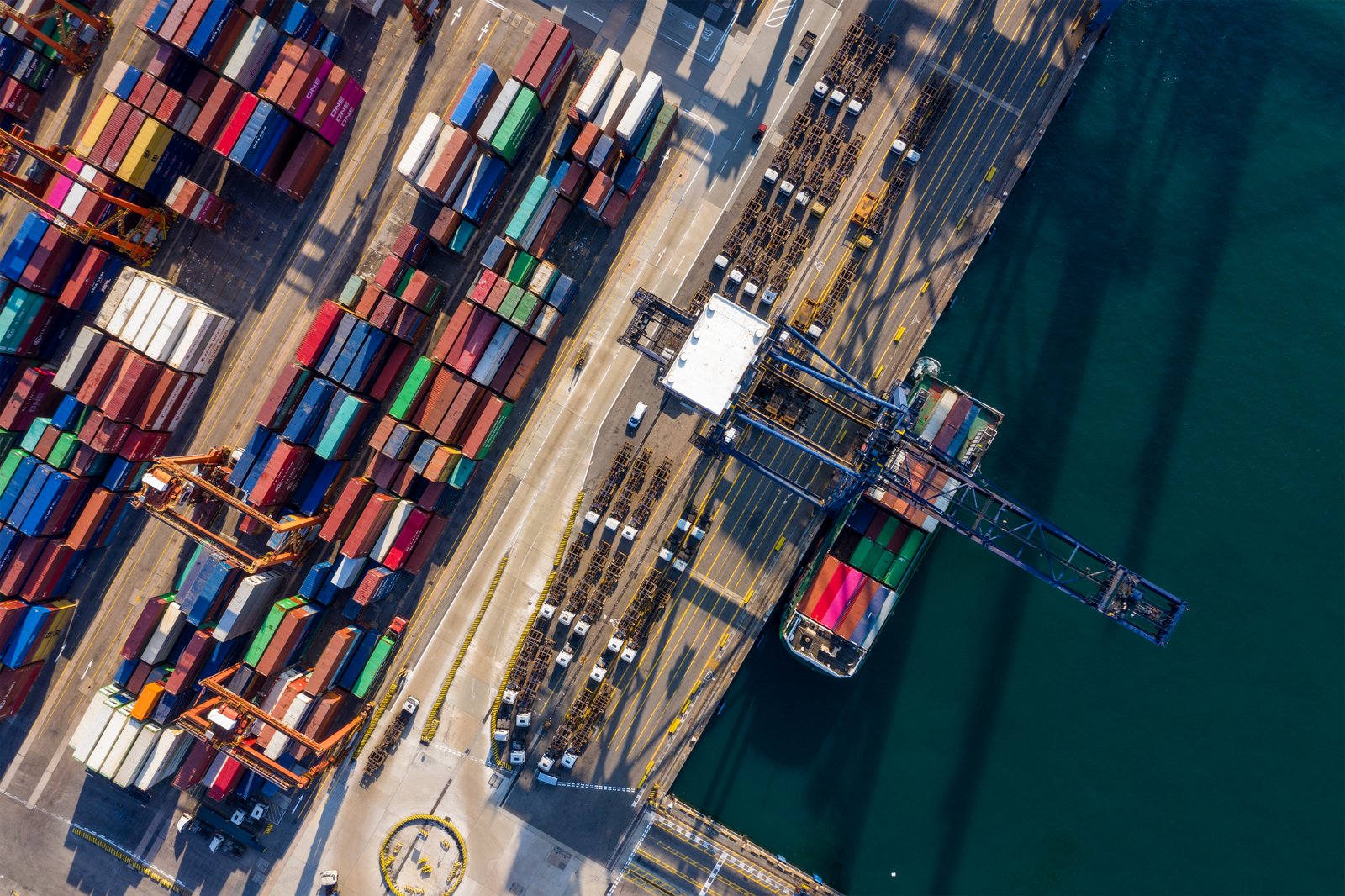
Sri Lanka offers preferential access to key global markets through:
-
GSP+ access to the European Union
-
Preferential trade arrangements with the United Kingdom
-
Free trade agreements within South Asia
-
Strategic shipping connectivity to ASEAN, the Middle East, and East Africa
For export-oriented operations, this provides:
-
Tariff advantages
-
Shorter shipping times
-
Supply chain diversification
-
Platform access to multiple regional markets from a single base
Trade architecture is increasingly becoming a competitive differentiator in global manufacturing strategy — and Sri Lanka is structurally well positioned.
Talent, Cost Competitiveness & Operating Environment

Sri Lanka combines a skilled professional workforce with competitive operating costs, particularly in:
-
Engineering and manufacturing
-
Information technology and software services
-
Finance and accounting
-
Supply chain and operations
-
Shared services and back-office functions
Key advantages include:
-
High literacy and strong tertiary education base
-
English-language proficiency
-
Cultural compatibility with Western and Asian business practices
-
Competitive wage structures relative to many Asian markets
-
A mature professional services ecosystem (legal, accounting, banking, IT, HR)
Cost advantage alone rarely creates durable competitiveness — talent quality and operational reliability do. Sri Lanka offers both.
Infrastructure, Industrial Zones & Location Strategy
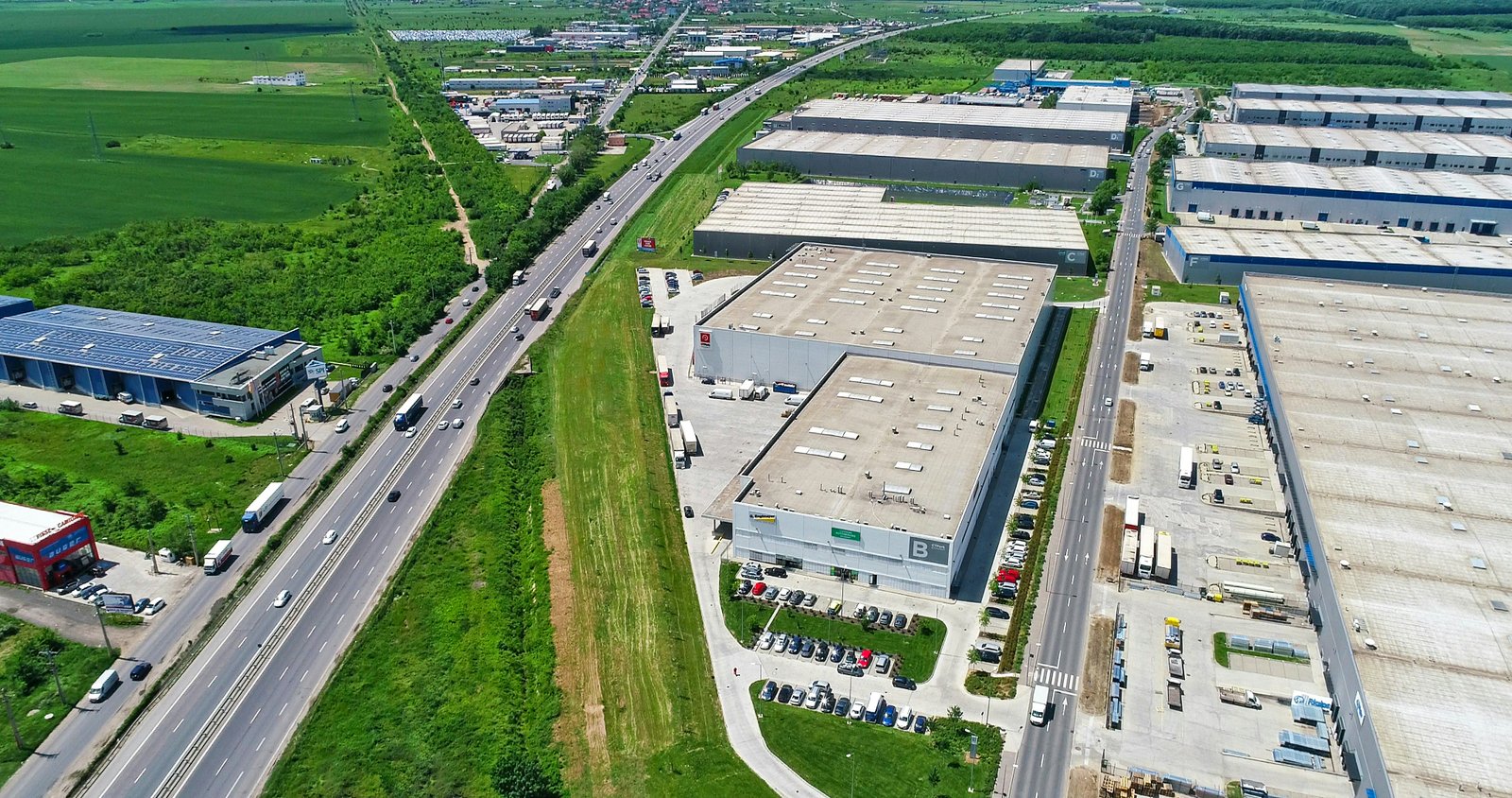
Sri Lanka’s infrastructure continues to evolve to support regional hub ambitions:
-
Deep-water ports with global shipping connectivity
-
Export processing zones and industrial parks
-
Port-centric logistics and free-zone developments
-
Growing digital and telecommunications infrastructure
-
International airport and air cargo connectivity
-
Power generation and renewable energy investments
Strategic location selection within Sri Lanka — whether port-centric logistics zones, industrial manufacturing corridors, technology clusters, or commercial hubs — plays a critical role in determining:
-
Cost efficiency
-
Talent access
-
Regulatory facilitation
-
Supply chain integration
-
Scalability of operations
Location strategy is often one of the highest-impact decisions in market entry — with long-term consequences for cost structure and operational flexibility.
Regulatory & FDI Framework

Foreign investment in Sri Lanka is governed primarily through the Board of Investment (BOI) and sector regulators. The framework provides:
-
Investment incentives for priority sectors
-
Tax and duty concessions
-
Investment protection mechanisms
-
Clear processes for foreign ownership
-
Structured approval and licensing pathways
-
Repatriation and capital movement mechanisms
-
Access to double-tax treaties and investment protection agreements
However, regulatory navigation requires:
-
Sector-specific understanding
-
Accurate interpretation of BOI guidelines
-
Alignment with tax, labor, and foreign exchange regulations
-
Proactive management of approval timelines and compliance obligations
-
Proper structuring of entry vehicles and operating entities
Well-structured investments do not merely comply with regulation — they leverage it strategically.



Why Choose Us for Sri Lanka Market Entry
Evaluating Sri Lanka is not only about understanding the market — it is about designing the right entry strategy, structure, and execution plan.
Expand Into Asia supports decision-makers with:
-
Independent, data-driven market assessment
-
Entry mode and investment structuring
-
BOI and regulatory pathway design
-
Partner identification and due diligence
-
Site selection and ecosystem development
-
Risk mapping and mitigation planning
-
Go-to-market and operational launch support
We operate at the intersection of:
-
Strategy consulting
-
Investment advisory
-
Regulatory navigation
-
On-the-ground execution
— a combination rarely found in traditional market entry support models.