
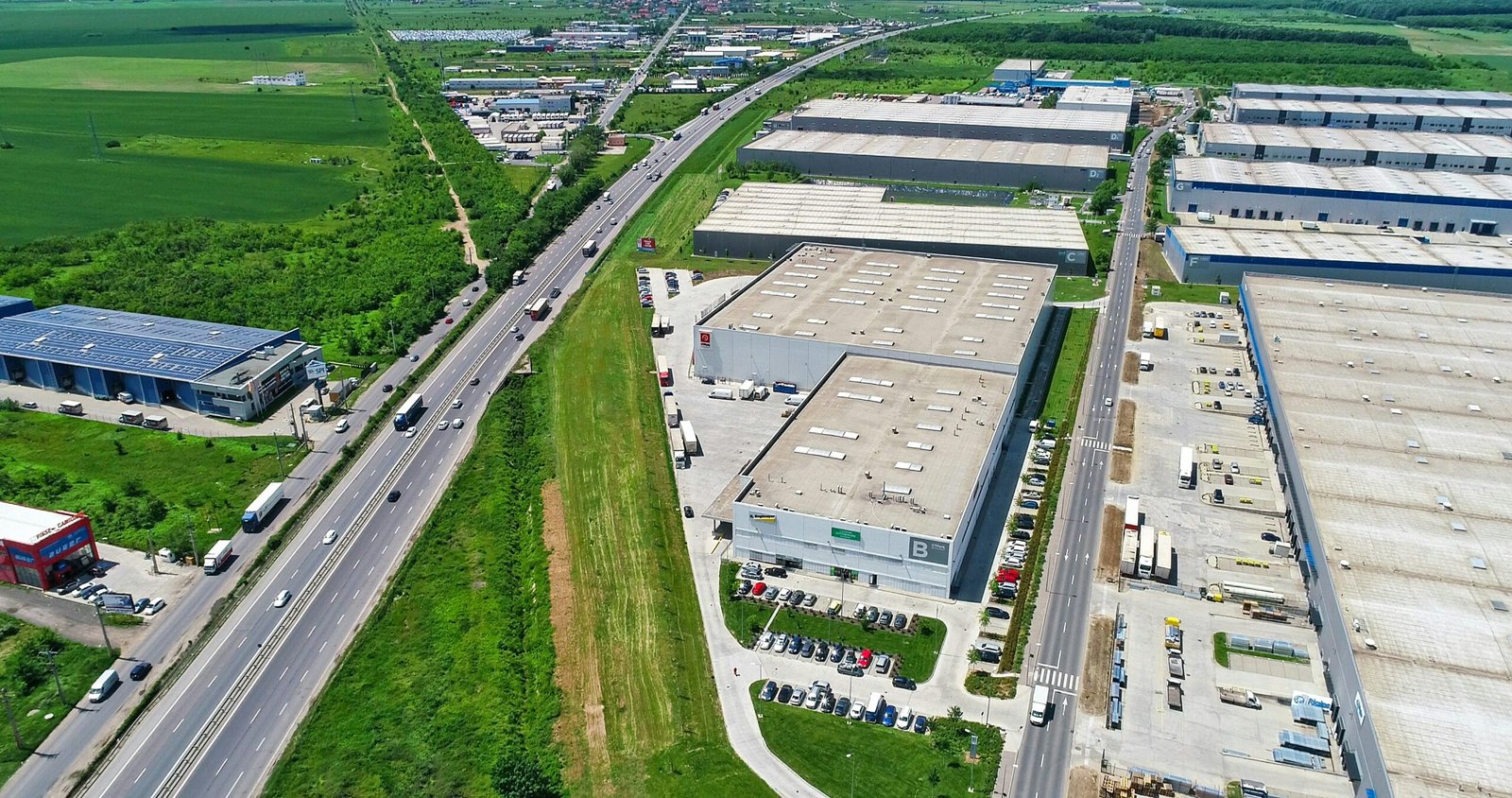
Introduction: Why Free Trade Zones Matter to Foreign Investors
When multinational companies evaluate a new manufacturing or export destination, one of the first questions they ask is not just “Which country?” but “Where within that country?” The answer often lies inside a free trade zone or industrial park—carefully planned environments designed to simplify operations, reduce costs, and accelerate market entry.
For investors exploring Sri Lanka, free trade zones and industrial parks represent some of the most powerful tools available for establishing efficient, export-oriented operations. These zones are not merely clusters of factories; they are integrated ecosystems that combine infrastructure, regulatory facilitation, logistics access, and investment incentives.
Over several decades, Sri Lanka has built a reputation as a reliable export platform, particularly in apparel, electronics, rubber products, and high-value manufacturing. A significant portion of that success has been driven by strategically developed zones administered or supported by the Board of Investment of Sri Lanka (BOI).
This comprehensive guide explains Sri Lanka free trade zones and industrial parks in detail—what they are, how they work, where they are located, what benefits they provide, what they cost, and which investors are most likely to benefit. Whether you are a multinational manufacturer, a mid-sized exporter, or a company pursuing a China-Plus-One strategy, understanding these zones is essential before committing capital.
Understanding Free Trade Zones and Industrial Parks
What Is a Free Trade Zone?
A free trade zone (FTZ), sometimes called an export processing zone, is a designated geographic area where businesses enjoy regulatory and fiscal advantages aimed at promoting exports and attracting foreign investment.
Companies operating within these zones often benefit from streamlined customs procedures, duty exemptions on imported machinery, infrastructure readiness, and coordinated administrative support.
The goal is straightforward: reduce friction so companies can focus on production and growth.
How Industrial Parks Differ
While the terms are sometimes used interchangeably, industrial parks typically emphasize infrastructure clustering rather than purely export-driven incentives.
Industrial parks may host:
-
Manufacturing plants
-
Warehousing facilities
-
Logistics operators
-
Assembly units
-
Technology production centers
Many modern parks blur the distinction, combining FTZ-style incentives with advanced infrastructure.
Why Governments Develop Trade Zones
Trade zones are strategic economic instruments. Countries use them to attract foreign direct investment, create employment, boost exports, and accelerate industrialization.
For investors, they serve as risk-reduction platforms.
Instead of building utilities, negotiating multiple permits, and coordinating logistics independently, companies enter an environment where much of the groundwork is already completed.
Time saved during setup often translates into meaningful financial advantage.
The Evolution of Sri Lanka’s Zone Strategy
Sri Lanka began developing export-oriented zones decades ago as part of a broader effort to integrate into global trade networks. Early success in apparel manufacturing demonstrated that structured industrial environments could attract high-quality investors.
Over time, the strategy expanded to include diversified manufacturing sectors and technology-driven operations.
Today, Sri Lanka free trade zones are widely recognized for supporting compliance-focused, quality-driven exports rather than purely low-cost mass production.
This positioning appeals to companies prioritizing reliability over volume alone.
Major Free Trade Zones in Sri Lanka
Katunayake Free Trade Zone: The Pioneer
Located near the country’s primary international airport, Katunayake is Sri Lanka’s first and one of its most established free trade zones.
Its proximity to aviation infrastructure makes it particularly attractive for time-sensitive exports such as electronics and high-value apparel.
Strategic Advantages
Companies operating here benefit from:
-
Direct airport access
-
Mature infrastructure
-
Established supplier ecosystems
-
Experienced workforce availability
Because it is a mature zone, occupancy levels are relatively high, and land availability can be limited. However, its operational reliability remains a major draw.
Investment Snapshot
A mid-sized manufacturing facility in Katunayake might require:
-
Factory construction: USD 3–6 million depending on scale
-
Machinery imports: variable by sector
-
Initial workforce setup
While entry costs may be slightly higher than newer zones, many investors view the predictability as worth the premium.
Biyagama Export Processing Zone: Industrial Depth
Situated within reach of Colombo’s commercial ecosystem, Biyagama has developed into a diversified manufacturing hub hosting electronics, chemicals, and industrial production.
Why Investors Choose Biyagama
The zone offers:
-
Strong utility infrastructure
-
Reliable power supply
-
Access to technical talent
-
Efficient transport links
For manufacturers requiring stable production conditions, infrastructure reliability can outweigh minor cost differences.
Koggala Export Processing Zone: Southern Expansion
Koggala represents Sri Lanka’s push toward regional industrial development beyond the western corridor.
Located along the southern coast, the zone benefits from modern highway connectivity that has significantly reduced transit times.
Investment Appeal
Companies often find:
-
Lower land costs
-
Expansion potential
-
Growing labor pools
For investors planning large facilities, space availability can be a decisive factor.
Mirigama Export Processing Zone: The Next Generation
Mirigama reflects the future direction of Sri Lanka’s industrial strategy—modern, scalable, and aligned with evolving manufacturing needs.
Strategic Characteristics
Investors evaluating Mirigama often prioritize:
-
Long-term expansion capability
-
Planned infrastructure
-
Reduced congestion compared with older zones
Early entrants may benefit from securing prime plots before demand intensifies.
Infrastructure Advantages Inside Trade Zones
Ready-to-Operate Utilities
One of the greatest advantages of free trade zones is infrastructure readiness.
Companies typically gain access to:
-
Reliable electricity
-
Water supply
-
Waste management
-
Internal road networks
-
Telecommunications
Developing these independently can cost millions and delay operations by months.
Example Cost Avoidance
A manufacturer building private utility infrastructure might otherwise spend USD 500,000–1.5 million depending on project scale.
Zones effectively convert that capital expense into shared infrastructure.
Investment Incentives Available in Zones
Duty Exemptions
Machinery imports often qualify for duty concessions.
For example, importing USD 4 million in production equipment with a typical 10% duty could generate USD 400,000 in savings.
This is immediate capital preservation.
Tax Efficiency
Depending on investment structure and sector alignment, companies may access corporate tax concessions designed to encourage export activity.
Even a modest reduction can improve long-term margins.
Streamlined Customs
Faster customs clearance reduces inventory holding costs and improves supply chain velocity.
Working capital efficiency is frequently overlooked—but powerful.
Setup Timeline: Faster Than Independent Development
Companies establishing facilities outside structured zones often spend months securing utilities and permits.
Within Sri Lanka free trade zones, operational timelines can shorten significantly.
A realistic timeline might include:
-
Investment approvals: several weeks
-
Facility construction or customization: 4–9 months
-
Equipment installation: sector dependent
Parallel planning can accelerate readiness further.
Time saved is revenue gained sooner.
Cost Considerations Beyond Land
While land lease rates vary, investors should evaluate total cost of occupancy rather than headline pricing.
Relevant components include:
-
Utility reliability
-
Logistics access
-
Workforce availability
-
Compliance support
A cheaper site that disrupts production can ultimately be far more expensive.
Strategic cost analysis always looks beyond initial numbers.
Workforce Access Around Trade Zones
Labor availability often shapes site selection more than geography alone.
Western corridor zones benefit from dense population centers and established commuting patterns.
Emerging regional zones offer growing labor pools but may require stronger recruitment strategies during early stages.
Companies that invest in transportation solutions often gain hiring advantages.
Which Industries Benefit Most?
Sri Lanka free trade zones are particularly well suited for:
-
Apparel and technical textiles
-
Electronics assembly
-
Rubber-based manufacturing
-
Medical devices
-
Industrial components
-
Packaging
-
Food processing for export
These sectors thrive where compliance, quality control, and logistics reliability intersect.
Free Trade Zones vs Independent Industrial Sites
Some investors consider acquiring standalone land rather than operating inside a zone.
While independence provides flexibility, it also transfers responsibility for infrastructure, permitting, and coordination.
For first-time entrants, zones often reduce execution risk.
Large, highly specialized manufacturers sometimes pursue independent sites—but typically only after deep market familiarity.
Potential Challenges Investors Should Evaluate
No industrial strategy is without constraints.
Land Availability in Mature Zones
Older zones may offer limited expansion space.
Planning future capacity early prevents relocation pressure.
Supplier Ecosystem Depth
While growing, supplier networks may not match mega-manufacturing economies.
Import planning remains important.
Labor Competition
High-performing zones naturally attract employers, increasing competition for skilled workers.
Strong employer branding helps mitigate this.
Strategic Role in China-Plus-One Planning
As companies diversify production beyond China, structured industrial environments become increasingly valuable.
Sri Lanka’s zones support specialized manufacturing rather than ultra-high-volume output, making them ideal complementary nodes within multi-country supply chains.
Resilience is no longer optional—it is strategic risk management.
Designing a Successful Zone Entry Strategy
Start With Long-Term Capacity in Mind
Facilities should accommodate expansion without requiring major redesign.
Future-proofing reduces capital waste.
Align Incentives With Investment Scale
Larger projects often unlock stronger benefits—but only when aligned with national priorities.
Integrate Logistics Early
Shipping strategy should inform site selection, not follow it.
The Role of Strategic Advisory Support
Selecting the right zone requires balancing cost, infrastructure, workforce dynamics, incentives, and long-term scalability.
Advisory firms such as Expand Into Asia support investors in evaluating Sri Lanka free trade zones, securing approvals, structuring investments, and launching operations efficiently. With informed guidance, companies can transform site selection into a durable competitive advantage. More information is available at https://expandintoasia.com.
The Future of Industrial Development in Sri Lanka
Global supply chains are shifting toward diversification, and countries with structured industrial ecosystems are increasingly positioned to capture new investment flows.
Sri Lanka continues expanding its zone network with an emphasis on higher-value manufacturing and sustainability.
Investors aligned with these themes are likely to find growing opportunity.
Conclusion: Why Trade Zones Strengthen Sri Lanka’s Investment Appeal
Sri Lanka free trade zones and industrial parks are more than geographic designations—they are strategic platforms that enable companies to operate faster, more efficiently, and with reduced risk.
From infrastructure readiness and duty exemptions to workforce access and logistical positioning, these zones transform complex industrial projects into manageable investments.
While no location is universally perfect, Sri Lanka offers a compelling blend of reliability, capability, and strategic reach.
For manufacturers seeking an export-ready environment within a rapidly evolving global supply chain landscape, these zones are not merely options—they are powerful enablers of long-term success.